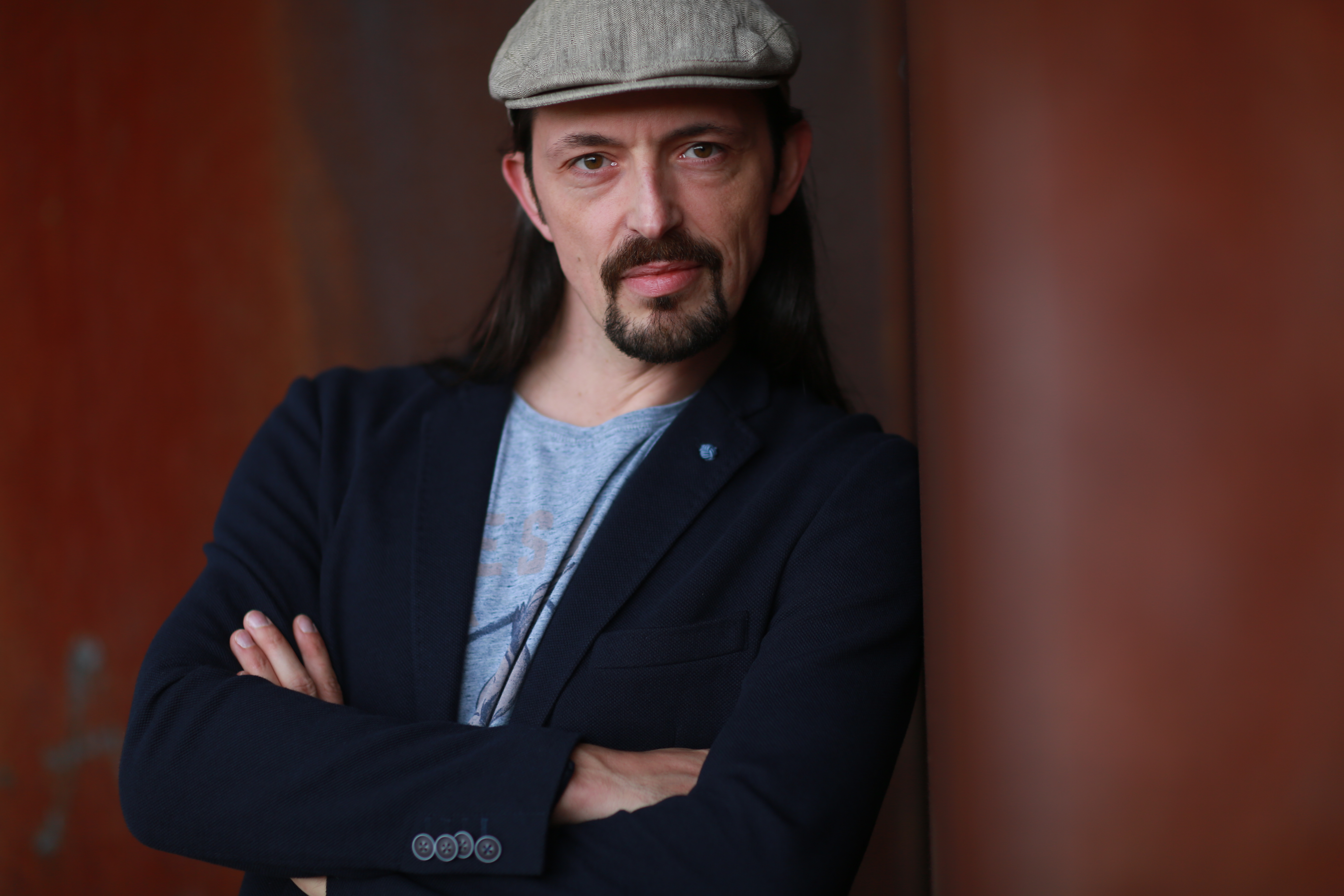
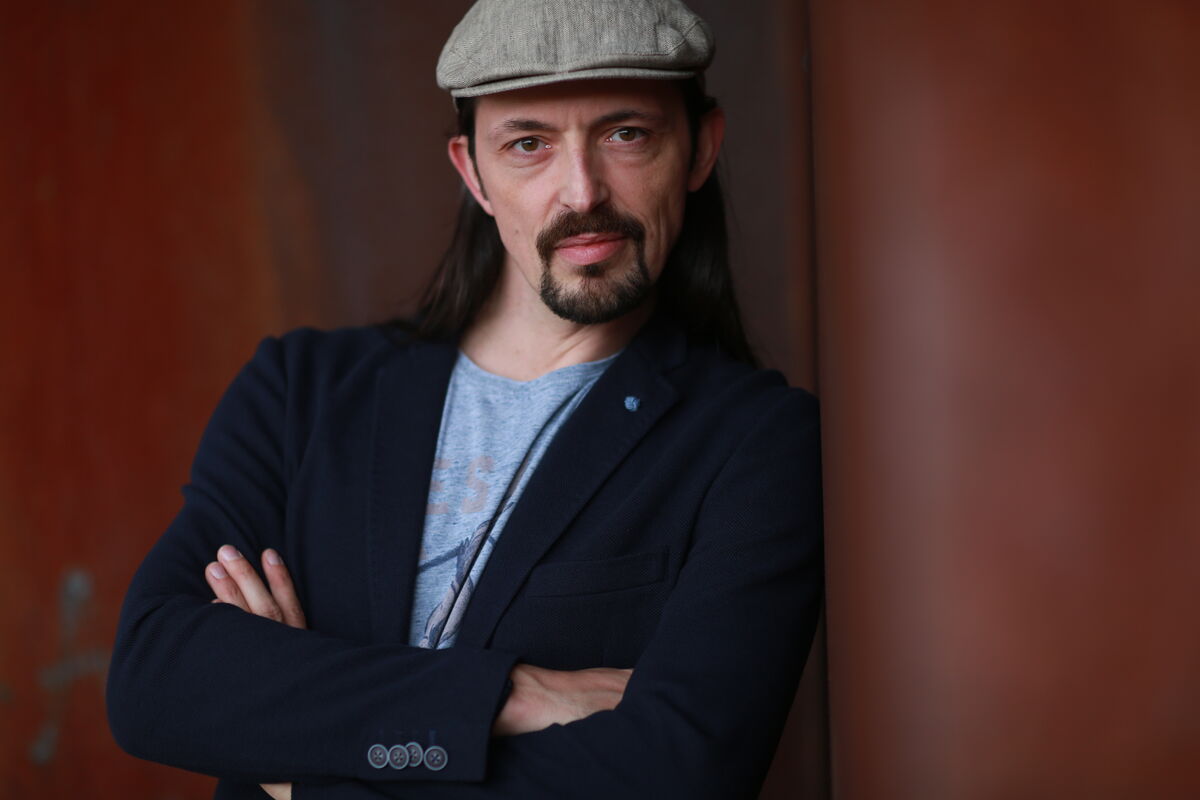
I wrote my first lines of code at seven, on a Commodore C-64 in 1987, somewhere in Luxembourg, long before I knew "software engineer" was a job you could have. What hooked me wasn't the code itself, it was watching simple rules turn into surprising behavior. As a teenager I was writing game AI (pathfinding, flocking, little swarms that organized themselves out of a handful of rules) and reverse-engineering the file formats of shipped games for the sheer fun of it. A bit later I built my own Linux distribution from scratch, compiling every single component from source and running it as my everyday machine, just to understand how an operating system fits together top to bottom. I've been chasing that same feeling ever since.
So that's what I do now: I'm an agentic engineer and architect. In plain terms, I design and build systems where AI agents do real work, and I spend most of my time on the unglamorous part that actually makes them reliable, which is context engineering. The models get all the attention, but an agent is only ever as good as the information you put in front of it. That gap, between "impressive demo" and "thing you can actually trust," is the problem I find genuinely fun.
The path here was not a straight line. Luxembourg had no game industry when I was growing up, so none of this had an obvious professional home. I took an administrative job with the Ministry of Justice instead, of all places in the administration of a high-security prison, and kept getting pulled deeper into the technical side as people figured out I actually knew that stuff. I collected certifications by the handful along the way (SQL, Oracle PL/SQL, Java, SharePoint, JBoss, and more), and ended up helping to test, validate, and even draft new legislation as much as I built and ran the systems behind it. Eleven years later, in 2014, my wife and I packed up, moved to Germany, and I went independent.
What followed was a decade deep in the WordPress and PHP world. I still maintain WP-CLI, the WordPress command line used by developers everywhere, became a Google Developers Expert, contributed to WordPress Core, and worked with some of the biggest and most established names in the industry along the way. Different tools each time, but the same instinct throughout: tame complexity with clean structure, and make the right thing the easy thing to do.
A small confession: I build things compulsively, usually just to understand them. A tool that runs a whole fleet of AI coding agents on my own server. A rendering engine that draws knowledge graphs of hundreds of thousands of nodes at 60 frames per second (those game-dev instincts never really left). An installation where a crowd of AI agents collaboratively paint on a shared canvas, which, if you squint, is just those flocking dots from my childhood all grown up. And an AI-powered lifestyle app I built as a gift for my wife, because apparently the way I say "I made this for you" involves a deployment pipeline.
A few honest things about me: I think depth beats breadth, I believe the right amount of complexity is the minimum you can get away with, and I grew up juggling four languages, so I can lose my train of thought in all of them. People who've worked with me tend to describe me as the one looking three steps ahead, which is generous. I'd say I'm just allergic to building things I'll have to tear down again next year.
When I'm not at a terminal, I'm usually on the road or quietly over-automating something at home. I live in Olzheim, a small village ringed by the dormant volcanoes of the Eifel, in a house that has accumulated rather more home automation than is strictly reasonable. I share it with my wife Carole and our dog Buffy, a small and very opinionated terrier / shiba inu mix who also happens to be a certified assistance dog and has logged more conference miles than most developers I know. The three of us tend to turn up at the same events, so if you ever spot a guy talking about AI agents with a dog asleep under the table, come say hi.